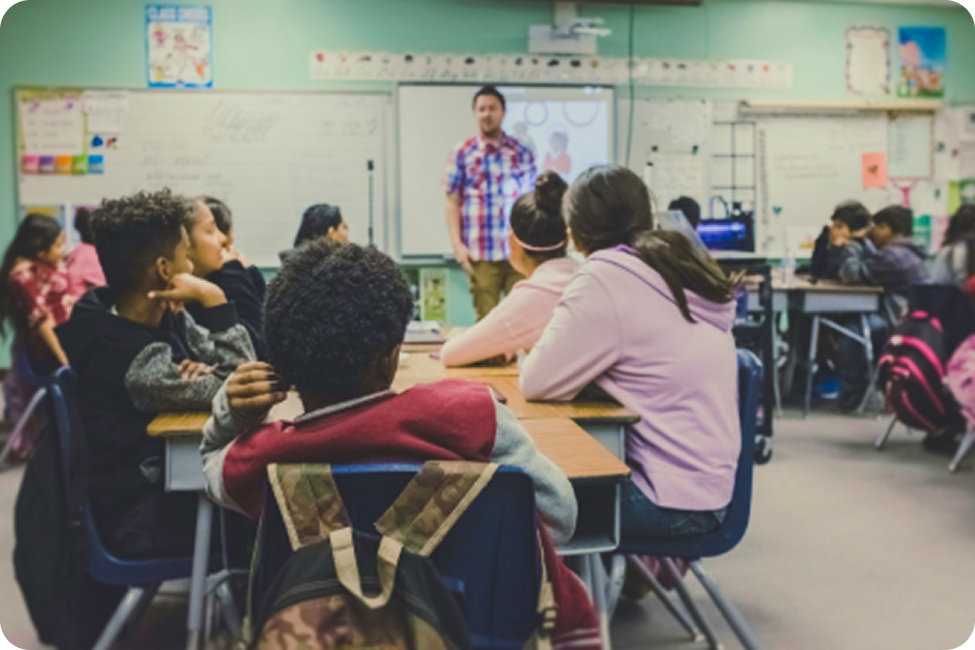
The first weeks of school are full of questions.
What do I like? What am I good at? Who do I want to become? What could I do in the future?
Students may not ask these questions out loud, but they are beginning to build answers through the people they meet, the experiences they have, the subjects they enjoy, and the possibilities they encounter.
That makes the beginning of the school year an important opportunity for career connectedness.
That’s why career connectedness doesn’t have to begin with choosing a career. It can begin by helping students recognize the connections between who they are, what they are learning, the people around them, and the opportunities available to them.
Start With What Students Already Have
Every student comes to school with a starting point: interests, strengths, experiences, and relationships.
A student might say, “I don’t know anyone who works in that field,” without realizing that a neighbor, coach, teacher, family friend, or community organization could be the beginning of a new connection.
The goal isn’t to give every student a predetermined path. It’s to help them begin building a map of possibilities.
Make the Connections Visible
A career-connected experience might start with an interest in healthcare and lead to a class, a mentor, a local employer, a certification, or a work-based learning opportunity.
Another student’s interest in technology might lead to a project, a conversation with someone in the field, and eventually an internship.
The paths are different for every student. What matters is that students can see how one experience can lead to another.
And those opportunities aren’t only somewhere “out there.” They exist in the communities around students: employers, nonprofits, colleges, training providers, mentors, and youth-serving organizations.
When those opportunities are easier to discover, career exploration becomes more tangible. A student’s ZIP code can become more than a location—it can be a starting point for discovering what is possible nearby.
The Ecosystem Matters
Schools don’t have to create every connection themselves.
A counselor may know about a training program. A teacher may have an employer connection. A community organization may provide mentorship. A local business may offer a work-based learning experience. A student may already know someone who can open another door.
When these connections remain isolated, students have to figure out how the pieces fit together.
When they become visible and connected, the ecosystem can help students navigate their next step.
That’s also where durable skills develop. Communication, confidence, collaboration, problem-solving, and relationship-building grow through real experiences and repeated opportunities to practice them.
Start Small. Connect Often.
A career-connected year doesn’t require a completely new program. It can start with a few simple questions:
- What are you interested in?
- Who do you know who does something related to that interest?
- What’s available in your community?
- What could you try next?
Over time, those questions help students build more than a list of careers. They help students understand themselves, their communities, and the possibilities that connect the two.
That’s career connectedness. And it can begin on the very first day of school.
Journeys Map helps schools and communities make those possibilities easier to discover by connecting students with pathways, people, programs, and opportunities.